


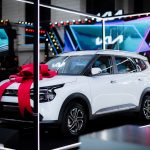
Electric cars with maximum range are becoming increasingly popular in India, especially models priced under Rs 20 lakh. These vehicles promise impressive performance and efficiency, making them a smart choice for eco-conscious consumers.
Top Electric Cars with Maximum Range in India
In India, the demand for electric cars with maximum range is on the rise as consumers seek longer journeys without frequent recharging. Here are some of the top electric vehicles that stand out:
- Tata Nexon EV Max: Offers a robust range of up to 453 km on a single charge, making it a popular choice.
- MG ZS EV: This electric SUV provides an impressive range of around 461 km, appealing to many buyers.
- Hyundai Kona Electric: With a range of approximately 452 km, it combines performance with efficiency.
- Mahindra XUV400: Promising a range of up to 456 km, it is a competitive entry in the electric market.
These options not only deliver outstanding range but also cater to various budget needs in the rapidly evolving electric vehicle landscape.
Understanding Battery Technology in EVs
As the demand for electric cars with maximum range grows, understanding battery technology becomes essential. The performance of electric vehicles (EVs) largely hinges on their battery systems, which determine both range and efficiency.
Modern electric cars utilize lithium-ion batteries, known for their energy density and longevity. These batteries store a significant amount of energy relative to their weight, allowing for longer drives on a single charge.
Furthermore, advancements in battery chemistry, such as the development of solid-state batteries, promise even greater ranges and faster charging times.
Consumers looking for electric cars with maximum range should consider factors like battery capacity, charging infrastructure, and the vehicle’s energy consumption.
These elements combine to offer a more practical driving experience, making it imperative for potential buyers to stay informed about the latest advancements in EV battery technology.
Price Comparison of Electric Cars Under Rs 20 Lakh
When considering electric cars with maximum range under Rs 20 lakh, price plays a crucial role for many buyers. Several models stand out due to their impressive range and affordability.
- Tata Nexon EV: Priced from Rs 14.74 lakh, it offers a range of approximately 453 km on a single charge.
- Mahindra XUV400: With a starting price of Rs 15.99 lakh, it boasts a range of 456 km, making it a competitive option.
- MG ZS EV: Available at Rs 20.99 lakh, it provides an outstanding range of 461 km, although it slightly exceeds the budget.
- Hyundai Kona Electric: With a price tag of Rs 23.79 lakh, it delivers a remarkable 452 km range, also just above the limit.
These models exemplify the growing market for electric vehicles that combine affordability and impressive range.
Future Trends in Electric Vehicle Range
The future of electric vehicles (EVs) is poised for exciting advancements, particularly in the realm of electric cars with maximum range. As technology evolves, manufacturers are investing heavily in enhancing battery efficiency and range capabilities.
Several trends are emerging in the electric vehicle market:
- Solid-State Batteries: These batteries promise higher energy density and quicker charging times, potentially allowing for greater ranges.
- Improved Aerodynamics: Companies are designing vehicles with better aerodynamics to reduce drag and enhance overall efficiency.
- Regenerative Braking Systems: This technology helps to extend the driving range by converting kinetic energy back into stored energy.
With these innovations, the future looks bright for electric cars, ensuring that consumers will have access to options that deliver impressive range without compromising on performance.
Consumer Preferences for Electric Cars
As the market for electric vehicles continues to evolve, consumer preferences are shifting towards electric cars with maximum range. Many potential buyers are now prioritizing range capabilities when selecting their next vehicle, reflecting a desire for convenience and reduced range anxiety.
Key factors influencing these preferences include:
- Usage Patterns: Daily commutes and long-distance travel are crucial considerations.
- Charging Infrastructure: The availability of charging stations impacts consumer confidence in selecting electric cars with maximum range.
- Environmental Concerns: A growing awareness of climate change drives interest in sustainable transportation options.
- Technological Advancements: Innovations in battery technology lead to longer ranges, appealing to tech-savvy consumers.
Ultimately, understanding these preferences will guide manufacturers in meeting the demand for efficient and long-range electric vehicles.
Government Policies Supporting EV Adoption
Government policies play a crucial role in accelerating the adoption of electric cars with maximum range. Various initiatives have been introduced to promote the use of electric vehicles (EVs), aiming to reduce greenhouse gas emissions and reliance on fossil fuels.
These policies include:
- Subsidies and Incentives: Financial incentives for consumers purchasing electric cars help make these vehicles more affordable.
- Charging Infrastructure Development: Investments in charging stations enhance the convenience of owning an electric car, addressing range anxiety.
- Regulations and Mandates: Governments are setting stricter emission standards, pushing manufacturers to innovate and produce electric cars with maximum range.
- Public Awareness Campaigns: Educational programs aim to inform consumers about the benefits of switching to electric vehicles.
Such measures support a sustainable transition towards greener transportation options.
Challenges Facing the Electric Vehicle Market
The electric vehicle market is rapidly evolving, yet several challenges persist that could hinder its growth. One significant issue is the charging infrastructure, which remains underdeveloped in many regions. This lack of accessible charging stations can deter potential buyers, despite the popularity of electric cars with maximum range. Additionally, the high cost of battery production continues to impact overall vehicle pricing, making it difficult for manufacturers to offer affordable options.
Moreover, concerns regarding battery life and recycling pose environmental challenges that need addressing. The competition among automakers to produce electric cars with maximum range adds pressure to innovate, but it also complicates sustainability efforts. Lastly, consumer awareness and education regarding the benefits and features of electric vehicles are still evolving, which can influence market adoption rates.