
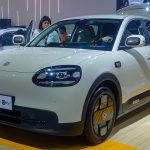

Renault Kwid EV is set to impress with its new design, drawing inspiration from the recently revealed Dacia Spring in Europe.
Overview of the Renault Kwid EV
The Renault Kwid EV has garnered significant attention in the automotive world, showcasing a blend of modern design and electric efficiency. This vehicle is designed to cater to the growing demand for sustainable transportation while maintaining affordability for consumers.
With its compact dimensions and stylish aesthetics, the Renault Kwid EV aims to attract urban dwellers who seek practicality without compromising on performance. Key features of the vehicle include:
- Electric Powertrain: The Kwid EV is equipped with an advanced electric motor that promises to deliver a smooth and responsive driving experience.
- Design Elements: Inspired by the newly unveiled Dacia Spring, the design of the Kwid EV incorporates sleek lines and a modern front fascia, enhancing its visual appeal.
- Interior Comfort: The cabin is designed with spaciousness in mind, offering comfortable seating and a user-friendly infotainment system.
As the automotive industry shifts towards electrification, the Renault Kwid EV stands out as a promising option for environmentally conscious consumers looking for an innovative yet reliable vehicle.
Key Features of the Dacia Spring
The Dacia Spring, which shares its design roots with the Renault Kwid EV, has introduced several key features that enhance its appeal in the electric vehicle market.
- Compact Size: The Dacia Spring boasts a petite footprint, making it perfect for urban environments where parking space is limited.
- Affordable Pricing: With its competitive pricing, the Dacia Spring aims to encourage more consumers to transition to electric vehicles, similar to what is expected with the Renault Kwid EV.
- Impressive Range: Offering a range of approximately 230 kilometers on a single charge, the Dacia Spring is designed to meet the needs of daily commuters.
- Modern Interior: The cabin features a minimalist design with essential technology, ensuring drivers remain connected without unnecessary distractions.
- Eco-Friendly Materials: The use of sustainable materials aligns with the increasing demand for environmentally conscious products.
These features highlight the Dacia Spring’s innovative approach within the growing electric vehicle sector, showcasing a promising glimpse of what consumers can expect from the upcoming Renault Kwid EV.
Comparison with Other Electric Vehicles
When evaluating the Renault Kwid EV, it’s essential to compare it with other electric vehicles in the same segment. The growing interest in affordable EVs has led to several contenders entering the market, including the Dacia Spring and various models from established brands.
Here are some key comparisons:
- Price: The Renault Kwid EV is positioned competitively, often undercutting rivals like the Dacia Spring. This makes it an attractive option for budget-conscious consumers.
- Range: The Kwid EV offers a decent electric range, comparable to the Dacia Spring. However, it is essential to consider real-world driving conditions which can affect performance.
- Charging Options: Both vehicles provide flexible charging solutions, but the Kwid EV boasts faster charging capabilities, potentially enhancing its usability for urban drivers.
- Interior Space: The Renault Kwid EV, like the Dacia Spring, is designed with practicality in mind, offering ample space for passengers and cargo, making it suitable for families.
Overall, while the Renault Kwid EV stands out with its unique design and features, it faces stiff competition in the rapidly evolving electric vehicle market.
Market Reaction to the New Design
The unveiling of the Renault Kwid EV has sparked significant interest in the automotive market, particularly among electric vehicle enthusiasts. The new design, inspired by the Dacia Spring, has garnered mixed reactions from consumers and industry experts alike.
Many are praising the updated aesthetics and functionality, highlighting features that are expected to enhance the driving experience. Key points of admiration include:
- Modern Design: The sleek lines and contemporary look of the Renault Kwid EV are seen as a step forward in appealing to younger buyers.
- Affordability: Positioned as an economical option, the pricing strategy of the Kwid EV is attracting budget-conscious consumers looking to enter the electric vehicle market.
- Compact Size: Ideal for urban environments, the compact nature of the Kwid EV is viewed as a significant advantage for city dwellers.
However, some critics express concerns regarding its performance and range compared to competitors. As the market continues to react, the true impact of the Renault Kwid EV’s design on consumer preferences remains to be seen.
Future of Renault’s Electric Lineup
As the automotive industry shifts towards electrification, Renault is poised to expand its electric lineup significantly, with the Renault Kwid EV leading the charge. This compact electric vehicle is designed to cater to a growing demand for affordable and efficient electric options.
Renault aims to build on the success of the Kwid EV by introducing innovative technologies and enhanced features in future models. The brand’s commitment to sustainability and reducing carbon emissions is reflected in its plans to roll out more electric variants across its range.
Key aspects of Renault’s future electric strategy include:
- Increased Range: Future models are expected to offer improved battery technology, providing longer ranges to meet consumer needs.
- Advanced Safety Features: With the integration of cutting-edge safety technologies, Renault aims to ensure a secure driving experience.
- Affordability: Keeping prices competitive will remain a priority, making electric vehicles accessible to a broader audience.
- Global Expansion: Renault plans to introduce the Kwid EV and other electric models in various international markets.
The future of Renault’s electric lineup looks promising, with the Kwid EV setting a strong foundation for the journey ahead.
Consumer Expectations for the Kwid EV
As consumers eagerly await the launch of the Renault Kwid EV, expectations are high regarding its performance, design, and affordability. The growing interest in electric vehicles has led many to consider what features they would like to see in this new model.
Based on current trends and feedback from potential buyers, several key expectations have emerged:
- Affordability: Many consumers hope that the Kwid EV will be priced competitively, making it accessible to a wider audience.
- Range and Efficiency: A common expectation is that the vehicle will offer an impressive range on a single charge, allowing for longer trips without frequent recharging.
- Modern Technology: Buyers are looking for advanced tech features, including connectivity options, safety systems, and user-friendly interfaces.
- Design Aesthetics: The Kwid EV’s design is anticipated to blend functionality with a modern look, appealing to younger demographics.
- Environmental Impact: Consumers are increasingly aware of sustainability, expecting the Kwid EV to align with eco-friendly practices.
Overall, the Renault Kwid EV is poised to meet and exceed these consumer expectations, potentially setting new standards in the electric vehicle market.
Sustainability in Electric Vehicle Design
The automotive industry is undergoing a significant transformation, with sustainability becoming a key aspect of electric vehicle design. The Renault Kwid EV exemplifies this trend, showcasing innovative materials and eco-friendly manufacturing processes that reduce its carbon footprint.
One of the standout features of the Kwid EV is its lightweight construction, which enhances efficiency and performance. By utilizing recycled materials in the vehicle’s body and interior, Renault not only minimizes waste but also sets a benchmark for sustainability in automotive design.
Furthermore, the Kwid EV incorporates advanced battery technology that maximizes energy efficiency. This innovation not only extends the vehicle’s range but also makes it more environmentally friendly, reducing reliance on non-renewable energy sources.
As electric vehicles gain popularity, consumers are increasingly prioritizing sustainable options. The Renault Kwid EV is positioned well to meet these expectations, combining style, performance, and ecological responsibility. The emphasis on sustainable design reflects a broader industry shift towards greener practices, making the Kwid EV a notable contender in the electric vehicle market.
Overall, the Renault Kwid EV represents a harmonious balance of design and sustainability, paving the way for future innovations in electric mobility.
Conclusion: What’s Next for Renault
As the automotive industry shifts towards sustainable mobility, the Renault Kwid EV is poised to play a crucial role in this transition. With its innovative design and features, the vehicle not only appeals to environmentally conscious consumers but also sets a benchmark for future electric vehicles. The market response to the Kwid EV has been overwhelmingly positive, suggesting that Renault’s strategic direction aligns with consumer expectations.
Looking ahead, Renault is likely to continue refining its electric lineup, focusing on enhancing battery technology and charging infrastructure to address range anxiety among potential buyers. The success of the Kwid EV will also pave the way for further investments in research and development, fostering advancements in sustainability and efficiency.
Moreover, as competition intensifies in the electric vehicle segment, Renault’s commitment to affordability and practicality will be essential. Stakeholders are keenly watching how the company will leverage the strengths of the Kwid EV to capture a larger market share.
In conclusion, the Renault Kwid EV not only represents a significant step forward in electric mobility but also symbolizes the brand’s dedication to innovation and sustainability in an evolving automotive landscape.