





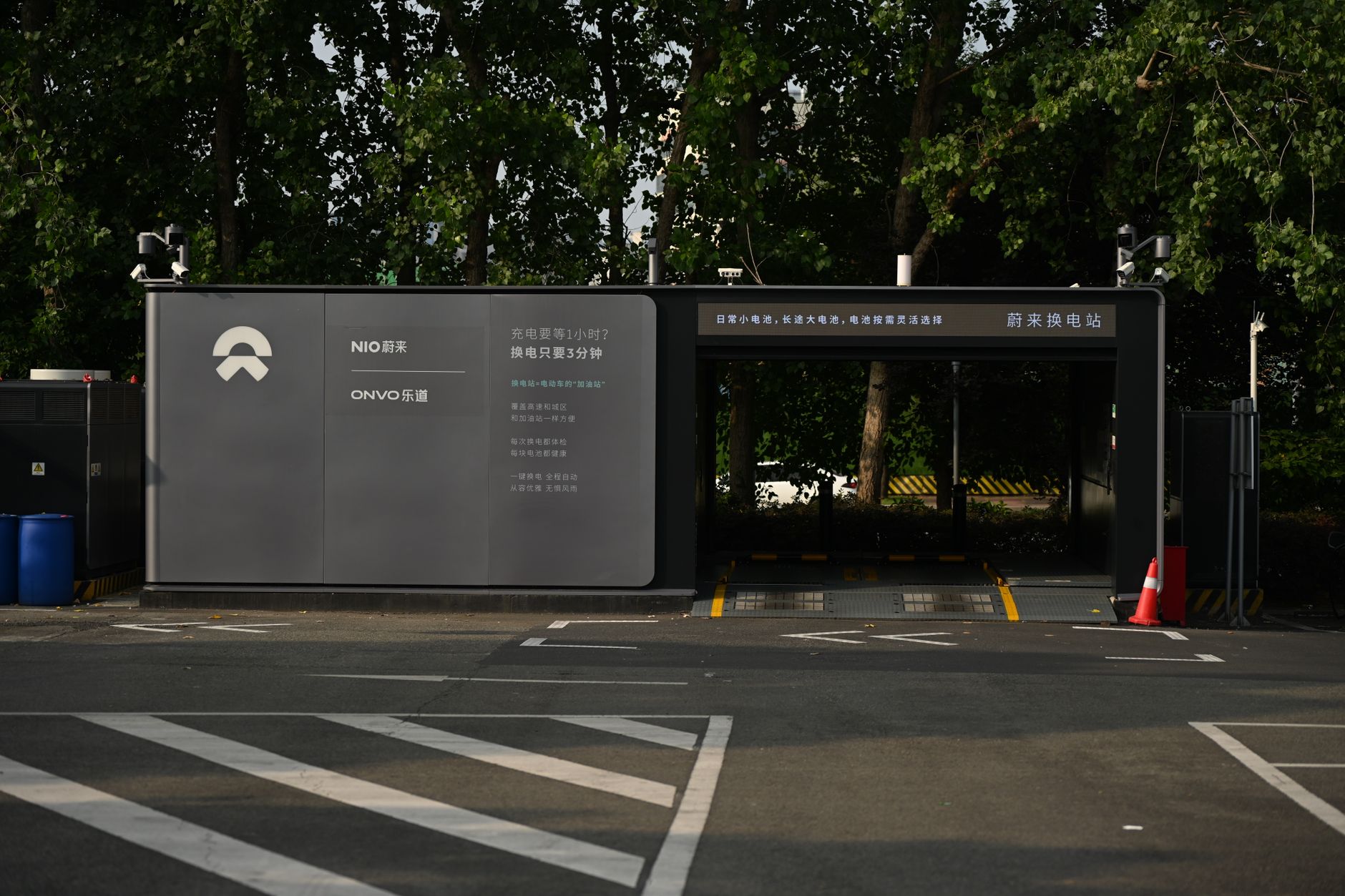
Battery-swapping infrastructure is revolutionizing the electric vehicle market. SUN Mobility is leading the charge in creating a partner-distributed energy network for two- and three-wheelers.
What is Battery-Swapping Infrastructure?
Battery-swapping infrastructure is an innovative solution designed to enhance the efficiency and convenience of electric vehicle (EV) usage, particularly for two- and three-wheelers. This approach allows users to exchange a depleted battery for a fully charged one at designated swapping stations, significantly reducing the downtime associated with traditional charging methods.
In a typical battery-swapping model, users drive their electric vehicles to a swapping station, where the empty battery is removed and replaced with a fully charged battery in a matter of minutes. This system not only accelerates the charging process but also addresses the concerns related to battery longevity and ownership.
The advantages of battery-swapping infrastructure include:
- Reduced Charging Time: Swapping a battery takes only a few minutes, making it comparable to refueling a gasoline vehicle.
- Battery Ownership Models: Users can subscribe to battery services rather than owning the battery, lowering the initial cost of electric vehicles.
- Improved Battery Management: Centralized management of batteries allows for better maintenance and optimization of battery life.
As cities and companies explore sustainable transportation options, battery-swapping infrastructure emerges as a potential game-changer, particularly in densely populated areas where quick turnaround is essential. With the right investment and partnerships, this model could significantly enhance the adoption of electric vehicles on a larger scale.
Benefits of Battery-Swapping for EVs
The rise of electric vehicles (EVs) has prompted the exploration of various solutions to enhance their usability and convenience. One of the most promising innovations is the development of battery-swapping infrastructure, which offers several compelling benefits for EV users.
- Reduced Charging Time: Traditional charging can take hours, whereas battery-swapping allows drivers to replace a depleted battery with a fully charged one in just a few minutes. This significantly reduces downtime and enhances the overall user experience.
- Extended Range: With battery-swapping, EV drivers can travel longer distances without the anxiety of running out of power. This capability is particularly beneficial for commercial vehicles that require constant operation.
- Lower Upfront Costs: By separating the battery from the vehicle purchase, consumers can buy EVs at a lower price. They can then subscribe to battery-swapping services, making electric mobility more accessible to a wider audience.
- Efficient Energy Management: Battery-swapping infrastructure enables better management of energy resources. Batteries can be charged during off-peak hours, optimizing grid use and reducing energy costs for users.
- Environmentally Friendly: The centralized charging of batteries can lead to the use of renewable energy sources, contributing to a cleaner environment.
Overall, the implementation of battery-swapping infrastructure presents a transformative opportunity to improve the electric vehicle landscape.
Challenges Facing Battery-Swapping Systems
While battery-swapping infrastructure presents a promising solution for electric vehicles (EVs), several challenges must be addressed for widespread adoption. These challenges include:
- Standardization of Battery Packs: One major hurdle is the lack of standardized battery packs across different manufacturers. This inconsistency complicates the development of a universal swapping system, making it difficult for consumers to use various brands interchangeably.
- High Initial Investment: Setting up battery-swapping stations requires significant capital investment. The infrastructure must be robust enough to accommodate multiple vehicles and ensure rapid turnarounds, which may deter potential investors.
- Logistical Complexities: Managing battery inventory and ensuring that fully charged batteries are readily available can be logistically challenging. A well-coordinated supply chain is crucial to avoid delays and enhance user experience.
- Consumer Acceptance: Convincing consumers to adopt battery-swapping technology over traditional charging methods can be difficult. Many users are accustomed to the convenience of home charging, making the transition to a new model challenging.
- Maintenance and Safety Concerns: Regular maintenance and safety protocols for battery-swapping stations are vital. Ensuring that batteries are in optimal condition and safe to handle is paramount for consumer trust.
Overcoming these challenges is essential for the future success of battery-swapping infrastructure in the EV market.
How SUN Mobility is Innovating
SUN Mobility is at the forefront of revolutionizing the battery-swapping infrastructure for electric vehicles (EVs), particularly focusing on two- and three-wheelers. The company aims to address the limitations of traditional charging methods by providing a more efficient and accessible energy solution.
One of the key innovations from SUN Mobility is their partnership-driven approach, which emphasizes collaboration with various stakeholders. This model not only enhances the accessibility of battery-swapping stations but also encourages the integration of different energy networks. By creating a distributed energy framework, SUN Mobility ensures that users can find swapping stations conveniently located across urban areas.
The company has developed a robust battery-swapping platform that allows users to exchange depleted batteries for fully charged ones in under five minutes. This rapid turnaround significantly reduces downtime for EV users, making electric mobility a more practical option for daily commuting.
Furthermore, SUN Mobility has introduced an open architecture for its swapping stations. This flexibility allows different battery manufacturers to participate, promoting healthy competition and driving down costs for consumers. By fostering an environment where multiple players can contribute to the battery-swapping infrastructure, SUN Mobility is paving the way for a sustainable and scalable future for electric mobility.
As the demand for EVs continues to grow, SUN Mobility’s innovative approach could serve as a blueprint for other regions looking to implement similar solutions.
The Future of Electric Two- and Three-Wheelers
The future of electric two- and three-wheelers looks promising, particularly with the development of battery-swapping infrastructure. This innovative approach addresses several challenges faced by urban commuters, especially in densely populated areas.
Many cities worldwide are rapidly adopting electric scooters and motorcycles as a solution to reduce traffic congestion and pollution. As these vehicles become increasingly popular, the demand for efficient charging solutions grows. Here, battery-swapping infrastructure plays a crucial role by allowing riders to quickly exchange depleted batteries for fully charged ones, significantly reducing downtime.
Several key advantages make battery-swapping particularly appealing for two- and three-wheelers:
- Speed: Riders can swap their batteries in minutes, making it a convenient option for daily commutes.
- Affordability: Users can opt for battery leasing, reducing the upfront cost of purchasing electric vehicles.
- Reduced Range Anxiety: With widespread battery-swapping stations, riders can travel longer distances without worrying about running out of power.
As companies like SUN Mobility continue to innovate, the implementation of battery-swapping infrastructure will likely expand, enhancing the viability of electric two- and three-wheelers. This development not only encourages more users to transition to electric vehicles but also contributes to greener urban environments.
Photo by J.D. Books on Pexels