

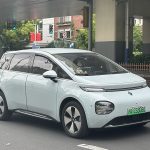

Global car sales are expected to see a significant shift, with EVs projected to account for 55% by 2035. This change is driven by a dramatic increase in public charging capacity.
Overview of EV Market Growth
The growth of the electric vehicle (EV) market is set to redefine global car sales in the coming years. According to the International Energy Agency (IEA), EVs are projected to comprise an astonishing 55% of all global car sales by 2035. This significant shift is largely attributed to advancements in technology and a growing commitment to sustainability.
Several key factors are driving this transformation:
- Improved Battery Technology: Enhanced battery efficiency and reduced costs are making EVs more appealing to consumers.
- Government Incentives: Many governments around the world are offering substantial incentives for EV purchases, encouraging a transition away from traditional fossil fuel vehicles.
- Expanding Charging Infrastructure: The IEA predicts that public charging capacity will quadruple, making it more convenient for consumers to embrace EVs.
- Environmental Awareness: With increasing concerns regarding climate change, more consumers are opting for eco-friendly vehicles.
As automakers respond to these trends and invest heavily in EV technology, the landscape of global car sales will inevitably shift. This evolution represents not just a change in the types of vehicles being sold, but also a broader societal move towards sustainable and responsible transportation solutions.
Impact of Charging Infrastructure
The growth of electric vehicles (EVs) is closely tied to the development of robust charging infrastructure. As reported by the International Energy Agency (IEA), the expected quadrupling of public charging capacity by 2035 will significantly impact global car sales. This increase in infrastructure will not only facilitate the adoption of EVs but also enhance consumer confidence in making the switch from traditional gasoline-powered vehicles.
Several key factors underscore the importance of charging infrastructure:
- Accessibility: A widespread network of charging stations ensures that EV owners can charge their vehicles conveniently, reducing range anxiety.
- Speed of Charging: The advancement in fast-charging technology will allow drivers to recharge their vehicles quickly, making EVs more appealing for long-distance travel.
- Government Initiatives: Many countries are investing in charging infrastructure, which helps accelerate the transition to electric mobility and influences global car sales positively.
- Consumer Education: As awareness of EV benefits increases, supported by growing infrastructure, more consumers are likely to consider EVs as viable alternatives.
In summary, the expansion of charging infrastructure is a critical component of the EV landscape, shaping the future of global car sales and driving the automotive industry toward a more sustainable future.
Predictions for 2035
The automotive industry is undergoing a significant transformation, and predictions for 2035 suggest that global car sales will heavily favor electric vehicles (EVs). According to the International Energy Agency (IEA), it is anticipated that EVs will account for 55% of total global car sales by that year. This shift is largely attributed to advancements in technology, changing consumer preferences, and supportive government policies aimed at reducing carbon emissions.
Several key trends are expected to shape the landscape of global car sales by 2035:
- Increased affordability: As production costs decline and economies of scale are realized, EVs are likely to become more accessible to a broader range of consumers.
- Expanded charging infrastructure: The quadrupling of public charging capacity will make owning an EV more practical, alleviating range anxiety and promoting sales.
- Consumer awareness: Growing awareness of environmental issues and the benefits of EVs will drive consumer demand, further influencing global car sales.
- Technological advancements: Improvements in battery technology and vehicle performance will enhance the appeal of EVs, leading to higher adoption rates.
As these trends unfold, the global automotive market is poised for a dramatic shift that will redefine how and what consumers choose to drive by 2035.
Challenges Ahead for EV Adoption
The shift towards electric vehicles (EVs) is undoubtedly gaining momentum, but several challenges lie ahead that could impact global car sales in the coming years. As the market evolves, manufacturers and consumers alike must navigate a complex landscape influenced by various factors.
One significant hurdle is the cost of EVs. While prices have decreased in recent years, they still remain higher than traditional vehicles, which may deter potential buyers. Additionally, the availability of government incentives varies widely by region, affecting consumer decision-making.
Another challenge is the perception of battery life and range anxiety among consumers. Many potential buyers are concerned about the longevity of EV batteries and their ability to travel long distances without frequent charging. Addressing these concerns through advancements in battery technology is crucial.
Moreover, the global supply chain for critical components, such as semiconductors, has faced significant disruptions. These issues not only slow down production but can also impact global car sales as demand for EVs increases.
Lastly, the competition from traditional internal combustion engine vehicles remains fierce. As manufacturers continue to innovate and improve fuel efficiency, the transition to electric options faces ongoing pressure. Overcoming these challenges will be vital for achieving the predicted EV market share of 55% by 2035.
Government Policies Supporting EVs
As the global car sales market shifts towards electric vehicles (EVs), government policies play a crucial role in facilitating this transition. Many nations are implementing a variety of initiatives designed to boost the adoption of EVs, ensuring that they become a significant part of the automotive landscape by 2035.
One of the most effective strategies involves providing financial incentives for consumers. These can include:
- Tax rebates for purchasing electric vehicles
- Grants for EV charging infrastructure installation
- Subsidies for EV manufacturers to reduce production costs
Moreover, some governments are setting ambitious targets for phasing out internal combustion engines. For instance, several countries have announced plans to ban the sale of new gasoline and diesel vehicles by 2035. This creates a clear roadmap for manufacturers and consumers alike, encouraging a shift towards EVs.
Additionally, regulatory measures such as stricter emissions standards are pushing automakers to innovate and invest in cleaner technologies. As public awareness of environmental issues grows, these policies will likely enhance consumer demand for EVs, contributing to a significant rise in global car sales in the coming years.
With these supportive measures in place, the landscape for electric vehicles appears promising as we approach 2035.
Where this came from
Related reading
BMW iX4 design patent: Clear insights on future EV · Honda Toyota recall: Is it safe for drivers now? · MG Windsor facelift: Is it the best battery upgrade for 2027?